Mould is one of the most common issues affecting homes and commercial properties across London. While many people view mould as a cosmetic problem, it often indicates a deeper issue that requires professional attention. Left untreated, mould can spread quickly, damage building materials, affect indoor air quality, and create potential health concerns for occupants. At Bio Clean 24, we regularly work with homeowners, landlords, businesses, and property managers who need professional mould remediation services. Understanding why mould develops and how specialist remediation works can help you protect your property and avoid more serious problems in the future.
Why Does Mould Develop?
Mould thrives in damp environments where moisture is present for extended periods. Common causes include leaking pipes, poor ventilation, condensation, roof leaks, and flood damage. Areas such as bathrooms, kitchens, basements, and poorly ventilated rooms are particularly vulnerable.
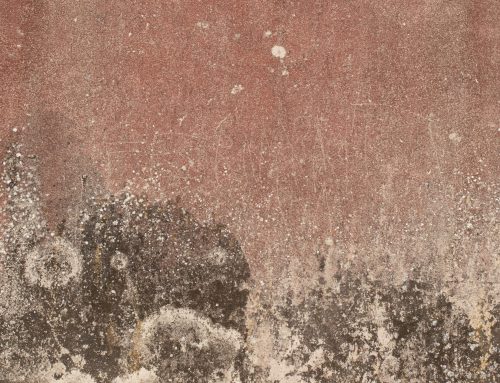
Many property owners focus solely on removing visible mould. However, this approach often fails to address the underlying cause. As a result, mould frequently returns within weeks or months.
Professional mould remediation focuses on identifying the source of moisture as well as removing existing contamination. This creates a more effective and long-lasting solution.
The Risks of Untreated Mould
Mould can have a significant impact on both properties and the people who occupy them.
Over time, mould can damage walls, ceilings, timber, plasterboard, furnishings, and decorative finishes. What may begin as a small patch can quickly spread throughout a property if conditions remain favourable.
In addition to property damage, mould can affect indoor air quality. Mould spores can circulate through a building and settle in other areas, leading to further contamination. This is particularly concerning in properties occupied by children, elderly residents, or individuals with existing respiratory conditions.
For landlords and housing providers, mould can also create compliance concerns. Recent legislation, including Awaab’s Law, highlights the importance of investigating and resolving damp and mould issues promptly to protect occupants and maintain safe living conditions.
What Does Professional Mould Remediation Involve?
Professional mould remediation goes far beyond surface cleaning.
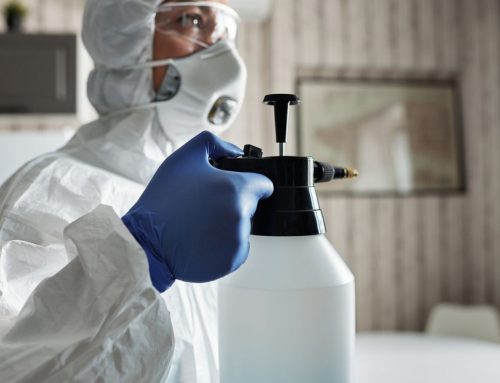
The process typically begins with a detailed inspection to determine the extent of the contamination and identify the source of moisture. Once the cause has been identified, affected areas can be safely contained to prevent spores from spreading during treatment.
Specialist cleaning methods are then used to remove mould contamination from affected surfaces. Treatments may also be applied to help reduce the likelihood of future growth.
Following remediation, recommendations can be provided to help improve ventilation, manage moisture levels, and reduce the risk of recurrence.
Why Choose Professional Remediation Services?
Attempting to remove mould using household products may offer temporary results, but it rarely resolves the root cause of the problem. Professional remediation services provide a structured approach that addresses both the contamination and the conditions that allowed it to develop.
By acting early, property owners can reduce repair costs, protect building materials, and create healthier indoor environments.
At Bio Clean 24, we provide professional mould remediation, flood remediation, fire remediation, trauma and biohazard cleaning, and inspection services across London, Northampton, Buckinghamshire, and Hertfordshire. Our trained specialists work with homeowners, landlords, businesses, and property managers to deliver safe, compliant, and effective remediation solutions. If you need advice, an inspection, or emergency assistance, contact our team today.