Water damage can happen when you least expect it. Whether it is caused by a burst pipe, severe weather, roof damage, or a leaking appliance, the impact can be significant. Many property owners focus on removing visible water, but the real challenge often begins after the surface appears dry. Professional flood remediation is essential for protecting your property, preventing further damage, and reducing the risk of mould growth. Knowing what to do in the hours and days following a flood can make a major difference to the outcome.
At Bio Clean 24, we help homeowners, landlords, businesses, and property managers across Northampton respond quickly and effectively to water damage incidents.
Act Quickly to Minimise Damage
The first priority after discovering water damage is to act as quickly as possible.
Water can spread rapidly through flooring, walls, insulation, and furnishings. As moisture penetrates building materials, it can weaken structures and create the perfect environment for mould growth.
Where it is safe to do so, stopping the source of the water should be the first step. This may involve turning off the water supply or arranging emergency repairs.
Once the source has been controlled, the affected area should be assessed to determine the extent of the damage.
Hidden Moisture Can Cause Long Term Problems
One of the biggest mistakes property owners make is assuming that a room is dry simply because standing water has been removed.
In reality, moisture often remains trapped within walls, floors, ceilings, and other structural elements. If left untreated, this hidden moisture can lead to ongoing deterioration and costly repairs.
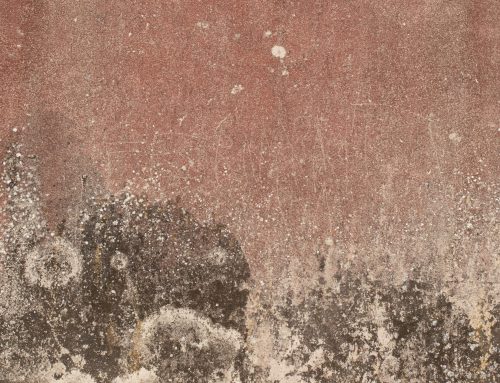
Furthermore, mould can begin to develop surprisingly quickly when damp conditions remain present. In many cases, mould growth can start within 24 to 48 hours following water damage.
Professional flood remediation focuses on identifying and removing moisture from all affected areas, not just the visible surfaces.
The Importance of Professional Drying and Monitoring
Effective flood remediation involves much more than drying a room with fans or opening windows.
Professional drying equipment is designed to remove moisture from the air and building materials in a controlled manner. Throughout the process, specialists monitor moisture levels to ensure the property is drying correctly.
This approach helps prevent secondary issues such as mould growth, unpleasant odours, and structural damage.
By using professional drying and moisture monitoring techniques, remediation specialists can often reduce the long term impact of a flood and support a faster recovery.
Why Flood Remediation Matters
Flood remediation is about restoring a property safely and effectively following water damage.
The process typically includes water extraction, drying, moisture monitoring, cleaning, sanitisation, and recommendations for any additional restoration work that may be required.
Most importantly, remediation helps ensure that hidden problems are identified before they develop into larger issues. This protects both the property itself and the health of those occupying it.
For landlords and property managers, professional remediation also provides reassurance that properties remain safe, habitable, and compliant with their responsibilities.
Contact Bio Clean 24
At Bio Clean 24, we provide professional flood remediation, mould remediation, fire remediation, trauma & biohazard cleaning, and Inspection & Surveys across London, Northampton, Buckinghamshire, and Hertfordshire. Our experienced team responds quickly to water damage incidents and delivers safe, effective remediation solutions that help protect your property for the long term. Contact us today to discuss your requirements or arrange professional assistance.