Water damage can occur for many reasons, including burst pipes, leaking appliances, roof leaks, heavy rainfall, or flooding. While most property owners focus on removing standing water, another issue often develops shortly afterwards: mould growth. Many people are surprised by how quickly mould can appear following water damage. In some cases, mould can begin developing within just a few days if the affected area is not dried properly.
Understanding the relationship between water damage and mould growth can help property owners act quickly and reduce the risk of long term problems.
How Quickly Can Mould Grow?
Mould requires three things to grow: moisture, a suitable surface, and the right environmental conditions.
Following water damage, many properties provide the perfect environment for mould spores to thrive. Building materials such as plasterboard, timber, carpets, insulation, and soft furnishings can all absorb moisture and create ideal conditions for growth.
In favourable conditions, mould can begin developing within 24 to 48 hours. While it may not be visible immediately, spores can quickly establish themselves on damp surfaces and continue spreading if moisture remains present.
This is why a fast response following water damage is so important.
Why Water Damage Often Leads to Mould Problems
Even after visible water has been removed, hidden moisture often remains behind.
Water can become trapped inside walls, beneath flooring, above ceilings, and within insulation. These concealed areas may remain damp for days or even weeks if they are not professionally assessed and dried.
As a result, mould often develops in places that property owners cannot easily see.
By the time visible mould appears, the contamination may already be more widespread than expected. Consequently, addressing water damage properly from the beginning can help avoid more extensive remediation work later.
Common Signs of Mould After Water Damage
The signs of mould are not always obvious at first.
Property owners should look out for:
- Musty or damp odours
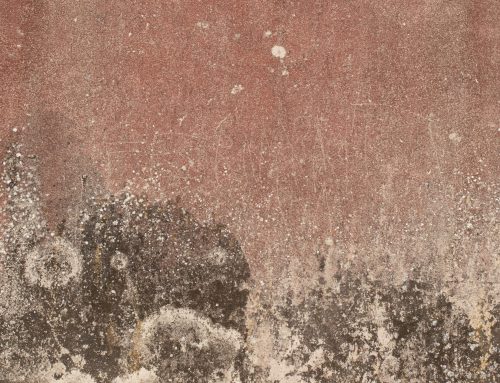
- Discoloured patches on walls or ceilings
- Peeling paint or wallpaper
- Persistent condensation
- Dark spots around windows or corners
- Damp surfaces that fail to dry properly
If any of these signs appear following a leak or flood, it is important to investigate the issue promptly.
Early intervention often limits the extent of contamination and helps reduce repair costs.
How Professional Remediation Services Help
Professional remediation services focus on more than simply cleaning visible mould.
The first step is identifying the source and extent of the moisture problem. Specialists can then assess affected areas, monitor moisture levels, and ensure building materials are drying correctly.
If mould has already developed, professional mould remediation can safely remove contamination while helping to prevent further spread.
Most importantly, remediation addresses the conditions that allowed mould to grow in the first place. This reduces the likelihood of recurring problems and helps create a healthier indoor environment.
Prevention Is Always Better Than Cure
The best way to prevent mould following water damage is to act quickly.
Rapid water extraction, professional drying, moisture monitoring, and thorough inspections all play an important role in protecting a property. The sooner these measures are put in place, the lower the risk of mould growth and long term damage.
For homeowners, landlords, and property managers, early action can save significant time, money, and disruption.
Contact Bio Clean 24
At Bio Clean 24, we provide professional remediation services, mould remediation, flood remediation, fire remediation, trauma & biohazard cleaning, and Inspection & Surveys across London, Northampton, Buckinghamshire, and Hertfordshire. Our experienced team helps homeowners, landlords, businesses, and property managers respond quickly to water damage and prevent mould from becoming a larger problem. Contact us today to discuss your requirements or arrange an inspection.